



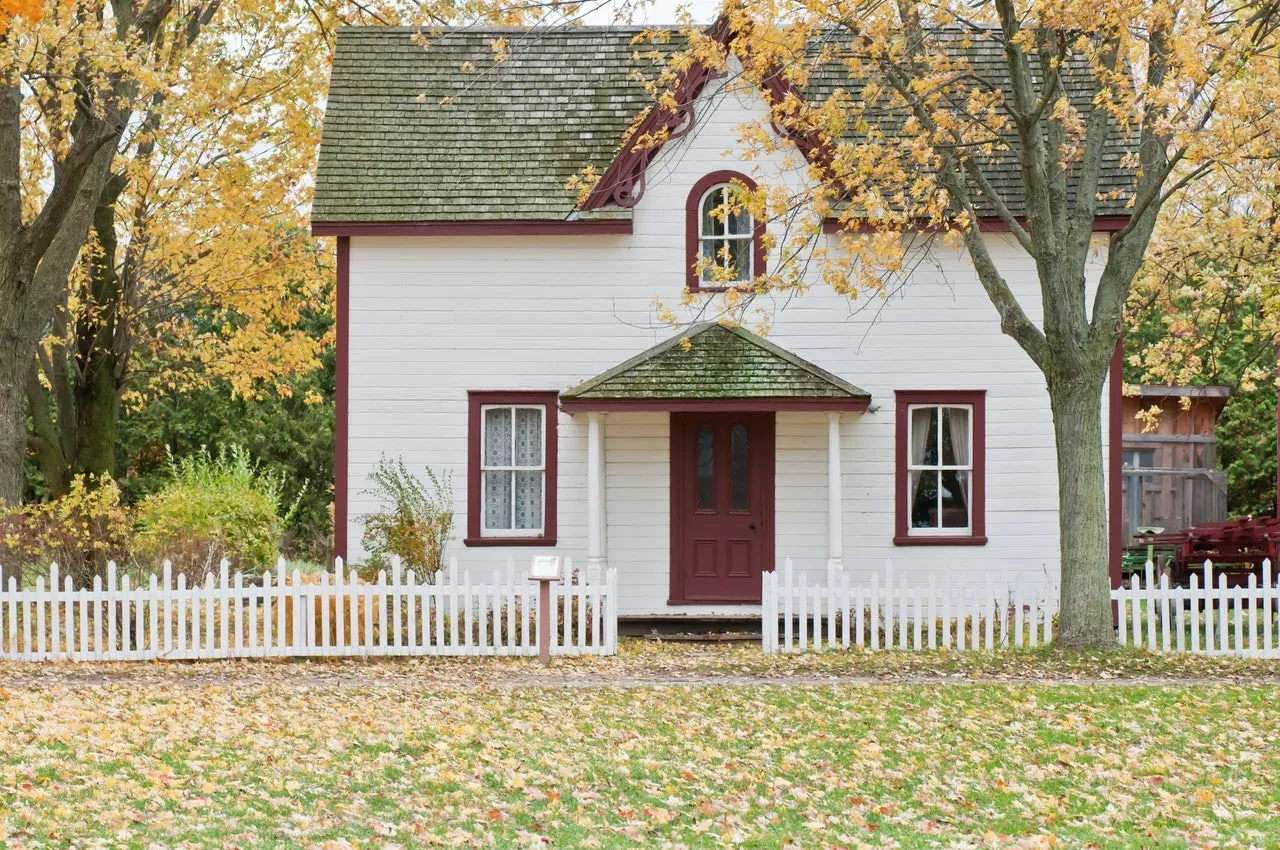
Signing for a house of your own is one of those milestones that opens a whole new chapter, and the next step is getting your life moved into it. Sorting your belongings, thinning out what you no longer need, and lining up a crew you trust all sit near the top of that list. A solid plan keeps the day itself calm and the transition smooth. Yet there is a second kind of planning that often gets overlooked, and that is making the place itself secure once the boxes are inside.
Arriving in an unfamiliar town means there are bound to be a few blind spots, details a longtime resident would notice that a newcomer simply misses. To help you catch them, we put together a practical rundown you can work through room by room and corner by corner, so you can settle in knowing the property is genuinely protected.
Start with a plan, then bring in the right crew
Every relocation really starts on paper. Before anything else, we suggest two running lists: one that tracks the tasks and timeline, and another that catalogs what you actually own. Your security notes can live alongside the paperwork, permits, and closing documents you are already keeping in one folder. The point of walking through the house early is to gauge how big the job is going to be. Once you have a feel for the volume of furniture and the number of hands it will take to shift it, you are ready to book a team.

A crew can only plan well when they know what they are walking into. Take a little time to compare options in the area and settle on movers with a strong reputation, but remember that your input shapes the result too. The clearer the picture you hand over, the sharper the quote and the better the day runs. When we know the specifics up front, we can price the job accurately and match the local moving services to what the house truly needs. So look closely at everything, jot each item onto your task sheet, and you will roll into moving day fully prepared.
Get to know where the house sits
Setting counts for a great deal. Ideally you have landed in an area with low crime, dependable infrastructure, responsive local government, and a steady economy, since all of that feeds directly into how safe and comfortable daily life feels. A genuinely calm street means you will not have to bolt on heavy defenses. If you are unsure how your block actually stacks up, it is worth digging in and getting real answers rather than guessing. And if you are still house hunting, all the better, because now you know to weigh the surroundings, the neighborhood, and how easy the spot is to reach before you commit.
Think about how a house differs from an apartment
With a sense of the area in hand, it is time to put a few precautions in place. A single-family home usually comes with features a rented flat never had: an attic, a basement, a garage, a stretch of front lawn. Each of those extras carries a little more upkeep and a little more responsibility, which naturally means a little more attention to safety as well.
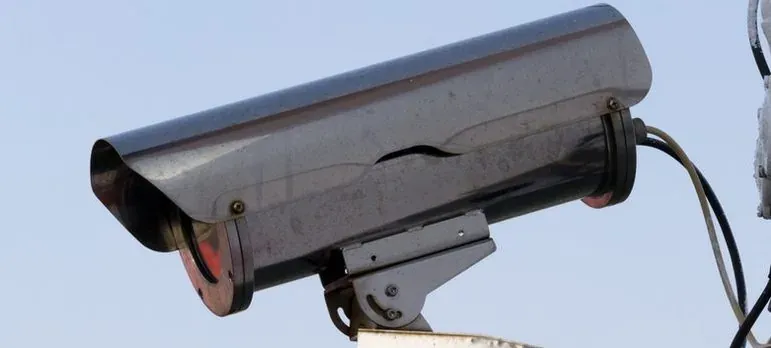
The simplest starting point outdoors is a proper fence marking your boundary. It buffers the property against rough weather, wandering animals, road grime, and, of course, anyone who has no business being there. Pair it with a working gate, and if the situation calls for it, a modest camera setup. Even one or two cameras aimed at the blind spots and darker corners is an affordable upgrade that tends to pay for itself in peace of mind. You can always add more later. Most likely your street is perfectly pleasant, but there is no harm in layering on extra reassurance if you want it.
Work through the inside of the home
A house needs to hold up on the inside just as well. Walk through and inspect the doors, windows, flooring, walls, and ceilings, and do not skip the utilities and the plumbing. That check matters even more when there are children under the roof. Ideally you go over all of this before the purchase closes, which spares you nasty surprises down the line and lets you tally up any repair or renovation spending in advance so you can judge whether a given place is worth the effort.
Do not skip an alarm
There is no shortage of alarm options out there, and honestly almost any of them beats having none at all. The cost is minor next to the reassurance it buys. Spend a little time comparing the providers serving your area and pick a system that suits both your budget and your habits. Most modern setups are straightforward to live with, so once you have chosen one, talk through the finer points with the company and let them guide the install.
By now you should have a handful of items to fold into your own security routine. Some folks will tell you a sturdy fence, a good lock, and a key are all it takes to keep trouble outside, and for certain homes that is true. For others it will not be. The smart move is to size up your specific situation before spending on any of it. Weigh what your household actually needs, and the right combination will make itself clear. When the move itself is next on your mind, reach out to our team and we will help you get there safely.

Planning a move? We can help
Free, no-obligation quote from our New Jersey moving team.