




Few of us genuinely enjoy boxing up a home, and plenty of people rush through the job just to reach the finish line. A wine collection, though, is one part of the load that rewards patience and a slow, deliberate hand. The good news is that you do not need a sommelier’s certificate or a deep knowledge of vintages to get every bottle to your new address intact. The steps are refreshingly simple, and our crews at Teddy Bear Moving are glad to walk you through them, whether you own a single treasured bottle or a whole cellar.
Sort and inspect before anything goes into a box
Start by taking stock of what you actually have. Set aside any bottle that has already been opened or is clearly past its prime, since there is little reason to haul spoiled wine across state lines. A quick way to catch one that has turned is to hold it up to the light and study the liquid inside: a murky or cloudy look usually means the wine is no longer worth keeping. Discard those, along with anything cracked, leaking, or otherwise damaged.
Once the questionable ones are gone, count what remains and jot down a full list. Knowing the exact number helps you estimate both your budget and how many supplies to buy. If wrapping an entire cellar feels like more than you want to take on, our packing services team can crate the collection for you. And if you are unsure about the safest way to protect valuable bottles over a long haul, it pays to lean on a seasoned crew that handles long distance moving. We usually suggest sturdy wooden wine crates built for the purpose, which do the best job of holding each bottle steady and fresh on the road.
Wrapping white and sparkling bottles
With your supplies gathered, the real care begins at the wrapping stage. Slow down here, because even flawless transport cannot rescue a bottle that was boxed poorly. Cushion the bottom of every crate with a generous layer of something soft, then swaddle each bottle on its own using paper, cloth, or whatever padding you have around the house. Slot dividers between the bottles so nothing shifts or clinks together once the truck is rolling.
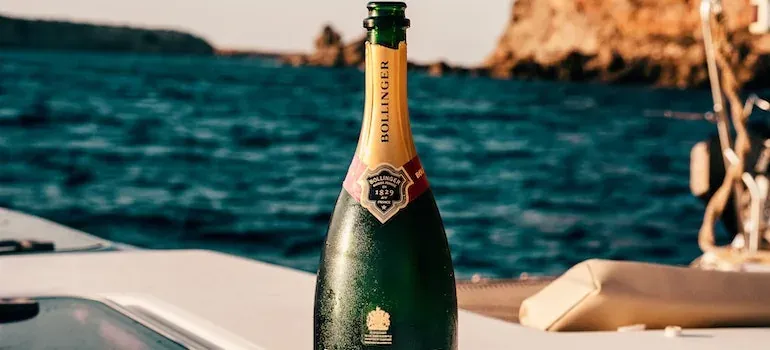
Orientation matters more than most people expect. Still wines, red and white alike, travel best lying flat, resting horizontally so the cork stays moist. When a box is too shallow for that, standing them cork-down is an acceptable fallback, though it calls for a careful hand. Anything carbonated, from Champagne to prosecco, should ride standing up instead. Whatever the position, tuck extra padding around each neck and confirm every bottle sits snugly before the lid comes down.
Top off, seal, and mark the box
Before you fold the crate shut, lay one final soft layer across the tops of the bottles as a last buffer. That small extra measure is often what separates an uneventful move from a messy one. Double-check that every cork or cap is screwed down firmly so nothing seeps out along the way. The last task is marking the box: label the outside clearly so anyone lifting it knows fragile glass sits inside and handles it with care. That is really all there is to it. Work through these stages with a bit of patience and you will be pouring from your own collection in your new home before long.


Planning a move? We can help
Free, no-obligation quote from our New Jersey moving team.