




Whenever a relocation looms, most of us reach for the same reassurance: a signed agreement and a promise that our belongings will arrive intact. It sounds like solid protection, yet the real world can be messier than the paperwork suggests. So it helps to slow down and look at how these documents actually work.
People uproot their lives for all sorts of reasons. A bigger paycheck or a leaner budget, a new school district, a job offer, or something entirely personal can each push a household toward a fresh address. Once the boxes come out, though, nerves tend to follow. Will the day run on schedule? Will anything break, especially the pieces you would hate to lose? Are you even allowed time off work for the occasion, and how far does the law stand behind you when you change addresses? Sorting through those worries begins with understanding what a strong agreement should contain.
If you would rather skip the reading, the shortcut is easy: pick up the phone and call us at 973-500-6003, or reach out online. Our team at Teddy Bear Moving is glad to walk you through the specifics. But if you simply want the broad strokes first, here is our plain-language rundown of the terms that matter.
The contract, in principle
On paper, this kind of agreement is struck between a household or a business and the company handling the relocation. That company should hold a valid license and be properly registered, and a quick online search is usually enough to confirm it. The document typically takes written form on a standardized template. When the job is tied to a business, an attorney generally handles the fine print on your behalf. For a private individual, the crucial thing to remember is this: a handshake and a spoken assurance carry no legal weight for either side once trouble shows up.
Know what you actually want
Before anything else, get clear on what you expect the agreement to cover. Anyone who has hauled a full household from one place to another knows how draining it can be, and much of that strain traces back to a single fear, that something will be dented, scratched, or lost while it is being carried, driven, or set back down. Faced with that worry, plenty of folks simply take the mover at their word and trust that the crew will handle every item with care.
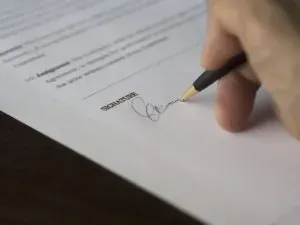
Reality does not always cooperate. That is why you have to define what a good company looks like to you and say so out loud. Suppose you are arranging help for aging parents and need senior moving services. It would be unrealistic to assume the crew will also keep an eye on your mom and dad while cartons are heading out the door. Spell out your needs, review the terms on offer, and make sure the two line up before anyone signs.
Insurance adds a layer of safety
Since a verbal understanding offers little real cover, it pays to look at sturdier forms of protection. A well-written agreement should commit the company to some level of responsibility for the portion of the job its workers actually perform. No single document can anticipate every mishap, of course, but if you want to push your peace of mind as far as it goes, ask about extra coverage for the riskier moments along the way.

Bigger firms often protect their customers by insuring goods and valuables against damage during lifting, hauling, or transit, arranging that cover through an insurance provider. That gives you an added cushion and more confidence that the day will end well. Ask directly how a given company approaches the matter, and while you are at it, find out whether cartons, tape, and other supplies are folded into the deal or billed on the side.
Signs of a company you can trust
When a crew shows up conscientious, dependable, and genuinely professional, the odds of breakage or an outright scam drop sharply. Time and again, the diligence and accountability of the people doing the lifting turn out to be what separates a smooth job from a bad one. Having the owner on site can add another measure of confidence, and so can a well-prepared setting: proper packing materials, working elevators, easy parking, and a route the team can actually navigate.
Questions worth asking before you sign
Ask for a free estimate up front, and just as importantly, ask which factors tend to drive the price higher. Clearing out things you no longer need ahead of time, an old wardrobe, tired furniture, stacks of books, a dead appliance, keeps the final figure from climbing past what you had in mind.

Before you commit to any company, run through a few pointed questions:
- Do you offer an assessment ahead of the move, and does it carry a fee?
- What references can you share?
- Are there conditions that call for special handling, such as additional trucks, difficult terrain, or tight streets? Arrangements like these tend to raise the total.
And whatever you do, read every clause before you agree to anything, paying particular attention to the lines printed in small type.
After the ink dries
Signing is not the end of your part. To keep losses and damage to a minimum, we suggest staying present and keeping an eye on the team through both the packing stage and the drive itself.
Still, the strongest safeguard for a calm, low-stress relocation is a trusted crew of trained, seasoned movers. Finding a company that fits that description is the smartest step you can take toward a day that goes exactly as planned. Reviews, word of mouth, and honest recommendations remain some of the best tools for tracking one down. When you are ready to map out the details, our Fairfield, NJ team is here at 973-500-6003.

Planning a move? We can help
Free, no-obligation quote from our New Jersey moving team.