



Every relocation comes with a handful of pressures, and the physical toll of the day itself is one that people tend to underestimate. Between the boxes, the furniture, and the rush to hit a deadline, a house move puts real strain on your body, and pulled muscles, twists, and bruises show up far more often than most families expect. The encouraging part is that the majority of these mishaps can be sidestepped with a little foresight.
At Teddy Bear Moving, our Fairfield, NJ crews have carried enough couches down enough tight staircases to know exactly where the trouble tends to hide. Below we walk through the hazards worth watching for and the simple habits that keep everyone safe, you and our team alike.
Give yourself a month of lead time
Booking early does more than reserve a truck. Those extra weeks hand you the time to notice a problem before it becomes an accident. Start with a slow walk through every room, taking stock of what you own, how much furniture has to travel, and what shape the space is in. That single pass tells you roughly how many supplies to gather and helps you sequence the packing sensibly.
While you are at it, study the routes your loaders will actually use. A loose handrail, a wobbly step, a cracked floorboard, a door that swings shut on its own, or a dim hallway can each turn a routine carry into a fall. Repair or flag anything questionable well before the truck pulls up, and you have already cleared the single biggest category of risk.
Lean on the crew’s experience
Nobody reads the hazards of a loading day better than the people who do it week after week. Time on the job teaches a mover how to size up a room, brace a heavy piece, and catch the thing you would never look at twice. When we swing by for an on-site estimate, part of the visit is scanning for anything that could cause an issue and pointing it out so you can deal with it in advance. Keep that conversation open right through moving day. A bit of coordination with the folks doing the lifting goes a long way toward a job that finishes both safely and quickly.
Pack so the boxes work with you
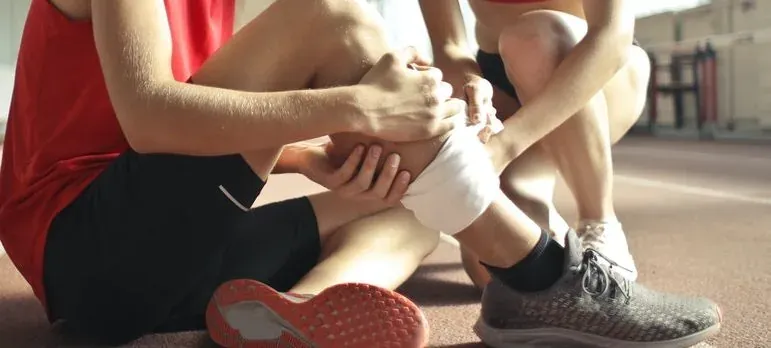
Here is a fact that catches people off guard: the injury that turns up most often on a move is a rolled or twisted ankle. It makes sense once you count the trips. A single relocation involves hundreds of loaded walks back and forth, and every carton packed poorly nudges the odds of a stumble higher. A box that bulges at the seams, refuses to close, or has something jutting out the top throws off a carrier’s balance and leaves your belongings exposed to damage at the same time.
Careful packing fixes both problems in one move. Grab sturdy cardboard cartons, a solid roll of tape, cushioning such as bubble wrap, and a marker for labeling. Line the bottom of each box, tuck padding into any empty pockets so nothing shifts, and seal the top with several passes of tape so it holds together on the road. Mark every carton with its contents, and call out the ones holding breakables or anything valuable. Clear labels tell our team to handle those boxes gently and make the unpacking far smoother on the far end.
If doing all of that yourself feels like one chore too many, our packing services team can supply the materials, wrap everything properly, and load it safely, so the heaviest choice left to you is where the furniture goes.
Clear the risky corners first
Prevention almost always beats treatment. Beyond the boxes themselves, the parts of a home that create the most grief are the ones we tend to overlook: the attic, the basement, the garage, the shed, and the yard. Those spots collect sharp tools, loose hardware, and cans of flammable liquid, precisely the sort of thing someone can trip over or knock loose with an armful of stuff. Comb through them carefully and set anything dangerous well out of the walking lanes. Do that, and you take rolled ankles, wrenched backs, and worse off the table, both for your household and for the crew handling your things.
Look after the person doing the moving
Keep a stocked first-aid kit within arm’s reach on the day, whether you put one together yourself or grab a ready-made version from the store. Minor scrapes and bumps are easy to patch on the spot, and many crews include someone with basic first-aid training for exactly that reason. If something serious does happen, do not hesitate; call for help right away and assist however you safely can.

Physical safety is only half the picture, though. A move can wear on you emotionally as much as it does physically, and running yourself into the ground is its own kind of hazard. In the days leading up, protect your sleep, and on moving day itself, eat lightly and keep sipping water. A rested, steady body handles a long day far better than a drained one. Take care of yourself first, and the rest of the move tends to follow.
When you are ready to plan a relocation that stays safe from the first box to the last, give our team a call at 973-500-6003 and we will map it out together.

Planning a move? We can help
Free, no-obligation quote from our New Jersey moving team.