




Breaking a bedroom set or a dining table down into parts looks simple until you are halfway through the job with screws rolling under the couch. For anyone tackling a first relocation, furniture is usually where the day starts to unravel. The good news is that a little forethought turns a dreaded chore into a run of manageable steps. Below, our team walks you through the way we approach taking large pieces apart, shielding them from harm, and getting them ready for the truck.
Start before you touch a single screw
Before any tool comes out, sort through what actually deserves a spot in your next place. Furniture arrives in every shape and footprint imaginable, and that variety becomes a headache the moment you downsize into a smaller house or apartment. Walk each room and be honest about which pieces you truly love and which ones you keep only out of habit. Anything that no longer earns its keep can be sold, donated, or hauled away. Dragging a bulky wardrobe to a home where it will never fit only breeds frustration on both ends of the trip, so settle these calls early.
Measure before you commit
Grab a tape measure and record the dimensions of every large item you plan to bring along. Write the figures down, then hold them up against the doorways, hallways, and rooms waiting at your new address. Plenty of people have wrestled a sofa or an armoire out to the curb only to find it will not clear the stairwell on the other side. Precise measurements also shape the rest of your logistics. Without them, you cannot judge what size vehicle the job demands, which leaves you either making repeat runs or scrambling to upgrade to a bigger truck at the eleventh hour.
This is one area where leaning on professionals pays off. When you book our crews, we can swing by ahead of your local move to size up your belongings and suggest the right truck. Years spent loading trucks give our movers a feel for what fits where and how delicate items should be treated, which is exactly why so many families simply hand the whole task over to us.
Round up your supplies
Once you know what is coming with you, collect the materials that will keep each piece safe on the road. A well-stocked kit generally includes:
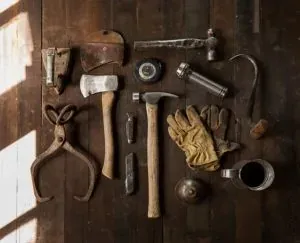
- A basic tool set for loosening bolts and pulling off legs, shelves, and hardware. Individual components almost always travel more safely on their own than as one heavy unit, and separating them shields delicate wood from knocks. If the prospect feels like too much, our packing services team can take the whole job off your plate.
- Soft padding such as moving blankets, bed sheets, spare newspaper, and worn-out t-shirts.
- Sturdy rope or straps to cinch that padding tight around every piece.
- Small zip bags to corral screws, bolts, brackets, and any other loose fasteners.
Getting these things ready in advance keeps the actual teardown calm and orderly. When a snag turns up in the middle of the project, you already have everything on hand to work through it.
Handle repairs while everything is apart
A furniture teardown is a rare chance to deal with wear you normally overlook. Scuffs, loose joints, and shallow scratches are far easier to reach once a piece sits in components, and the same goes for buffing or polishing tired wood. Because the surfaces are exposed and simple to work on, spend a few minutes mending and refreshing what needs attention before anything gets wrapped. You will arrive with furniture that looks better than it did the day you started.
Clear everything out first
Empty every drawer, cabinet, and shelf before you begin. Certain units, drawers in particular, are built as one fixed piece and cannot be pulled apart, so whatever is left inside will slide around and gouge the wood from within. Even for items you decide not to dismantle, a hollow frame is lighter and much easier to carry. Do a final sweep of each compartment so nothing gets left behind or knocked loose in transit.

Furniture is only one slice of the puzzle. Fragile belongings like glassware, mirrors, and electronics ask for their own careful approach, so map out how you will cushion and box those pieces right alongside your larger ones.
Wrap and label the pieces
With everything separated, cover each component in the blankets and old shirts you set aside. These layers guard against the scrapes and dents that crop up whenever items shift inside a moving truck. Wind rope or straps around the padding to hold it firmly against the wood, and lean on those oversized blankets to drape wide surfaces such as tabletops and headboards. A snugly bundled piece rides through the whole trip with almost no risk of surface damage.

Give each bundle a label and keep its matching bag of hardware taped nearby or tucked into a box you will recognize. That small habit turns reassembly at the new house into a quick task rather than a scavenger hunt for the right screws.
Pulling furniture apart, padding it, loading, unloading, and putting it back together adds up to a lot of moving parts. Work through each stage in order and the whole process stays under control from the first bolt to the last. And when you would rather skip the heavy lifting entirely, our Fairfield, NJ team is ready to help at 973-500-6003.

Planning a move? We can help
Free, no-obligation quote from our New Jersey moving team.