



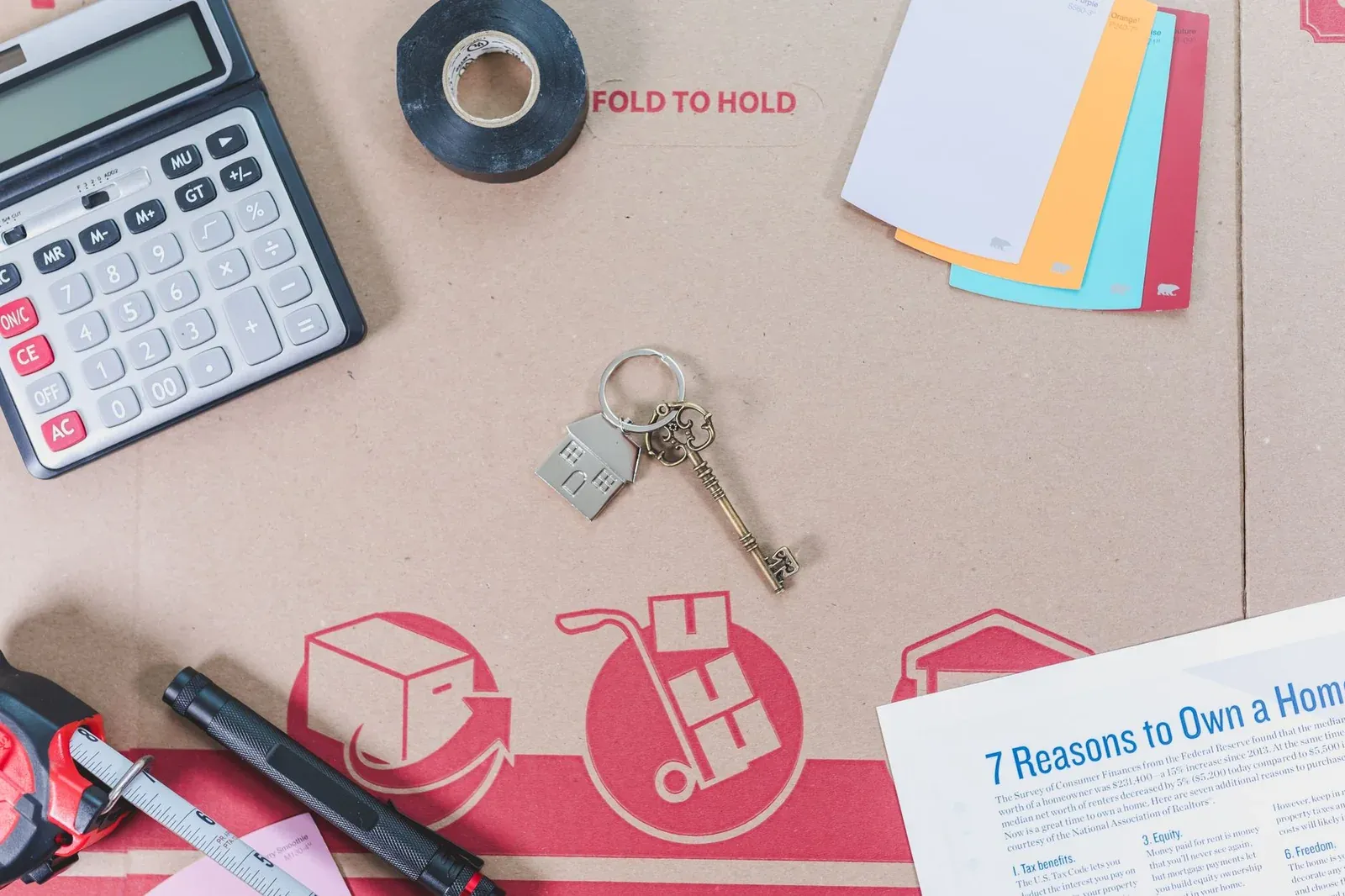
A short move can still put real pressure on your finances, and the hop between Ridgewood and Bergenfield is a good example. The two boroughs sit close together on the map, yet they feel like different worlds once you start comparing them. Ridgewood leans toward roomy houses, broad streets, and steep property values, while its neighbor trades some of that space for lower prices, snugger lots, and trickier road access. Those contrasts decide how large a crew you need, which truck actually fits the block, and how far ahead you have to plan.
A few miles between towns does not guarantee an easy day. Each borough writes its own rules, sets its own fees, and runs its own services, so surprises pile up quickly when nobody maps them out in advance. Renting or buying, you are stepping into a genuinely different setup, and the households that budget for that shift are the ones who avoid the sting at the end.
Our crews at Teddy Bear Moving work out of Fairfield, just west of both towns, so we put this guide together to show where the dollars really go on this route and how to keep them in check.
Real estate: what changes between the two boroughs
Home prices are usually the reason people make this switch in the first place. A typical Ridgewood house runs north of $1.1 million, most of them single-family, and the tax bills match that price tag. Cross the line and the average lands somewhere around $500,000 to $550,000, with yearly taxes that frequently stay under $12,000. That spread is exactly why value-minded families keep circling Bergenfield listings.

Plenty of movers are downsizing on purpose. You give up square footage, but you gain affordability, and this side of the county also carries more duplexes and rental units, which helps if a purchase is not lined up yet. The trade-off is spatial, so measure before you pack. Oversized furniture from a large Ridgewood home does not always clear the doorways of a compact one. Bidding also moves faster here, particularly on anything below $600,000, so keep your inspections and paperwork ready to go the moment a place opens up.
Parking and building access on arrival
Check the approach to the Bergenfield property before choosing a truck. Measure driveway access, identify a lawful loading location and tell the mover about any long carry from the curb. If you need public street space, ask the borough which restrictions or approvals apply to that address and how far ahead to arrange them. A generic promise that a permit takes only a few days is not a reliable moving plan.
On the day itself, keep the truck clear of hydrants, driveways, and mailboxes, and read the posted signs before anyone drops a ramp. Heading into a multi-family building? Reserve time for shared hallways or an elevator, and remember that some of the older properties have none at all, so budget for a flight or two of stairs. When the street is genuinely tight, a compact truck or a shuttle van loads faster and keeps you clear of tickets. A quick question to the landlord or seller about access clears up most of this ahead of time.
Traffic and timing on the route
The boroughs sit roughly seven miles apart, but Bergen County traffic can stretch that into a long crawl. Route 17 and Route 4 both clog near Paramus and its shopping corridors, so steer around the rush windows of 7:30 to 9:30 in the morning and 4:00 to 6:30 in the afternoon. Loading up early or mid-morning trims the clock, and when you are paying an hourly crew, every stalled minute lands on the invoice.

Think about the exact path the truck will follow, too. Some navigation apps route large vehicles down residential side streets that are cramped and crowded with parked cars. Your destination borough occasionally closes lanes for repairs or construction, so a call to town hall about active projects saves a headache. If your movers lean on GPS, confirm the route is cleared for trucks rather than passenger cars. A little foresight makes the arrival far calmer.
Paperwork, permits, and town services
Every borough handles its documents a little differently. Bergenfield may want a Certificate of Occupancy on file before you move into a home. Renters usually have this covered by the landlord, but confirm it rather than assume. A handful of other errands come with the territory:
- Garbage rules differ. Ridgewood folds full pickup into its services, while your new town sells stickers for bulk items, so time your discards to the local schedule and skip the extra charges.
- Update your records to the fresh address. Your license, your car’s registration, and your voter record all need the Bergenfield line, not a forwarding form from your old post office.
- Ring the gas, water, and electric providers ahead of the date so service is live when you walk in instead of days later.
- Schools ask for proof of residency, so keep the lease or deed handy. Mid-year transfers should reach the Bergenfield School District early to learn exactly what registering a child requires.
Where your monthly costs land afterward
Once the truck pulls away, your recurring bills usually ease. Ridgewood carries some of the heaviest tax bills in the county, often topping $20,000, whereas owners on the other side tend to pay roughly half. Renters feel the relief in their monthly housing line as well.
- Groceries, utilities, and everyday services generally run a touch lower, with H Mart and Aldi trimming the food budget, while Ridgewood’s boutique markets tend to charge more.
- Child care, gyms, and public programs come cheaper in Bergenfield too.
- Many houses here are older, though, so heating and cooling can cost more. Set aside something for insulation upgrades or an energy check.
- Public transit is solid in the new borough, which may let you lean on the car less.
If the whole point of the move is financial, this is where the payoff shows up over time. You just have to know which line items are shifting.
Hidden costs to watch on this route
Even a quick relocation hides a few charges worth flagging early:
- That smaller floor plan may not swallow every piece you own. Bulky items can stall at tight doorways or narrow stairwells, and some will need to come apart and go back together.
- If the new place is not ready on time, storage fills the gap. Units around New Jersey typically run about $75 to $150 a month.
- School-hour congestion can drag out the job and pad the labor tally.
- Rates vary between companies, so gather more than one written quote and compare the full numbers, not just the headline hourly figure.
- Dodge the tolls where you can by favoring local roads like Route 4 and the county routes instead of I-80 or I-95.
- Time your big castoffs to the borough’s free bulk pickup days and skip the landfill fee.
- Ask about utility setup charges, which swing from one provider to the next.
Keeping the whole move affordable
On paper this looks like an easy jump, but it still rewards a real plan. Traffic, permits, parking, and the size of your new home all pull on the budget, and understanding how Bergenfield runs helps you sidestep the fees that catch newcomers off guard. The good news is that expenses generally settle lower afterward, from taxes to utilities to routine services, so a value-driven relocation here is both realistic and common.
Study both towns before the truck rolls. Learn the local rules, map the congested zones, and picture how your furniture fits the new layout. Downsize the truck when the streets demand it, lock in parking ahead of time, and handle any permits early. When you want a family-owned crew that already knows these Bergen County blocks, our local moving team is a short drive away, and you can reach out at 973-500-6003 for a written estimate before you commit to a date.

Planning a move? We can help
Free, no-obligation quote from our New Jersey moving team.