


Moving day usually gets boiled down to two things: hiring a crew and wrapping everything in tape. Yet there is a step plenty of Hackettstown households breeze right past, and it tends to pay off more than either of those. That step is trimming down what you own before the truck ever pulls up. Deciding what actually deserves a spot in your next home lets you begin the new chapter lighter and far better organized. Below, our team walks you through how to thin out your belongings the smart way.
Moving is the ideal moment to shrink your load
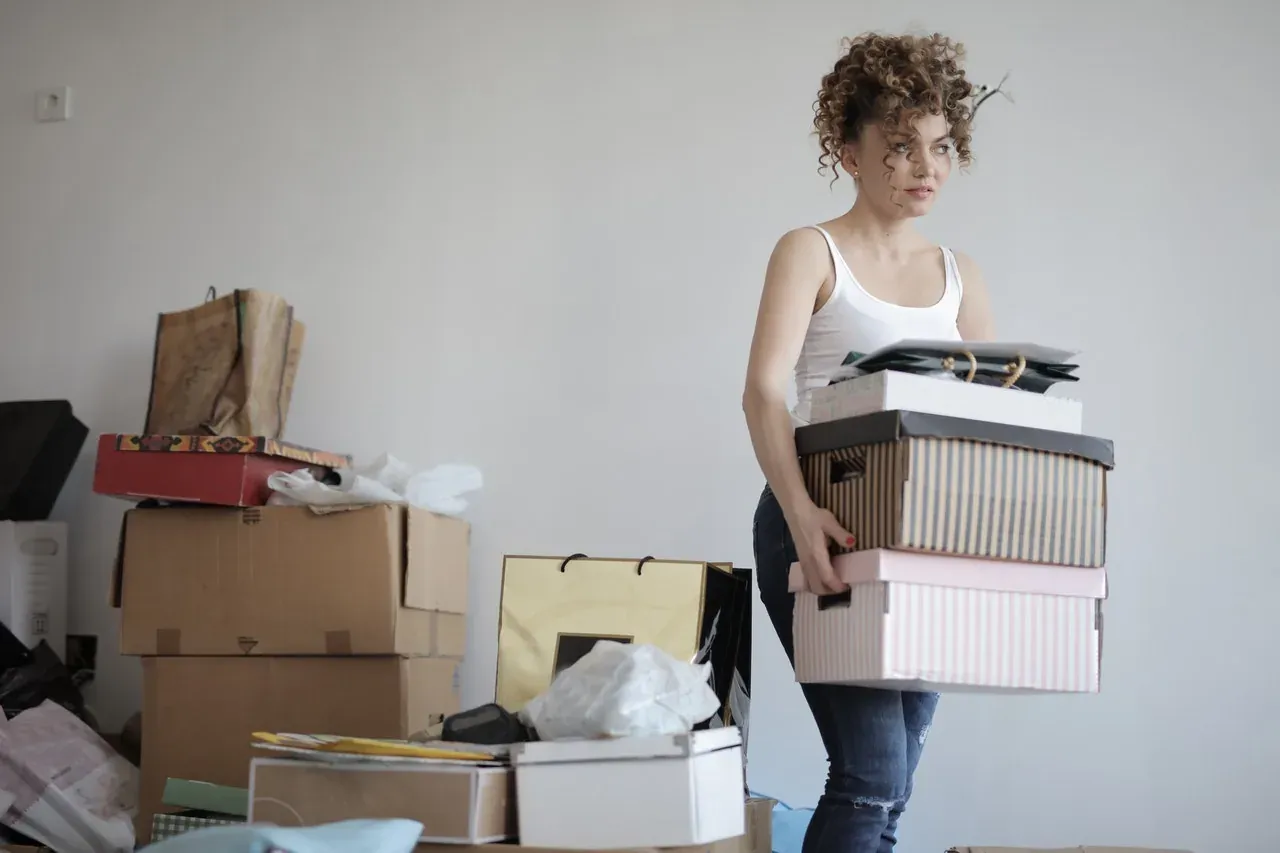
Since you are already pulling things off shelves and out of closets, your hands are on every item anyway. That makes this the natural time to weigh whether each one is worth carrying forward. Go through the house one room at a time and set aside anything that no longer earns its keep. The basement, attic, and garage tend to be the worst offenders, so give them a hard look, but do not skip the drawers, wardrobes, and cabinets either. Before long you will have a surprisingly tall stack of things headed for the curb.
Once the keep pile and the toss pile are clearly separated, reach out to schedule an on-site estimate and lock in a professional crew. Because you have already pared things down, there is less to lift, the job runs smoother, and the final bill lands lower.
A lighter home means a lighter moving bill
With the clutter cleared out, this is the point to build an inventory of everything making the trip. A written list keeps the packing on track, and it proves just as useful at the other end when boxes need to find their rooms. It also tells you exactly how many cartons and pieces of furniture you are dealing with. Fewer items translate straight into fewer labor hours, and that keeps the whole relocation more affordable.

That count matters for another reason too. When you can hand your movers accurate numbers, they can put together a far more precise quote. If wrapping and boxing feels like the part you would rather hand off, our packing services crews can take that off your plate entirely.
Repair what is worth saving, release the rest
As you sort, pay extra attention to seasonal gear and anything you or the kids have outgrown. Old clothing almost always eats up more room than anyone expects. The trick is being honest about which pieces are worth mending or freshening up and which ones have simply run their course. Parting with things that carry memories can sting, but holding on to every shirt you have ever bought is not realistic. The same logic applies to electronics and other items with a limited shelf life.
Swapping tired belongings for fresh ones
Some possessions are worth replacing before they even reach the new address, and doing so helps on several fronts. There is a real lift that comes from setting up your next place with a newer television or a lamp that is not on its last legs. Take a few minutes to size up the fridge, dishwasher, TV, and the rest of the appliances around the house. Decide whether a repair makes sense or whether the money is better spent on a replacement. If a pile of gear has been sitting in the basement waiting for a fix that never came, that is usually your answer. Let it go, since most of it has aged out anyway.
Settling into a tidier new space
Arriving clutter-free makes arranging your new home far easier. Every piece is clean, a few are brand new, and the whole place feels fresh from day one. The goal from there is keeping it that way. One of the simplest traps to sidestep is bargain hunting for its own sake. An extra chair you grabbed only because the price was low does nothing but crowd the room all over again. Staying on top of regular cleaning helps too, whether you chip away a little each day or block out a weekend morning to handle it in one go. Whatever fits your routine is the right call.
Where all the extra stuff can go
Clearing out unwanted belongings leaves you a handful of routes to choose from. You can pass things along to friends and neighbors who will actually use them. You can turn a small profit by listing pieces online or holding a yard sale. You can hand goods to a charity or a nearby shelter where they will do some real good. Or you can recycle and discard whatever is left. Just take care with anything hazardous, since paints, chemicals, and similar materials need proper handling to keep you, your household, and the environment safe. A quick read on your local disposal rules goes a long way here.

Now you have a clear picture of how to pare down before a move. It is a straightforward process, though a time-consuming one, and the genuinely hard part is admitting that something has to go. Saying goodbye to long-held belongings is rarely easy. Even so, it is a step worth taking, one that leaves your life less cluttered and, more often than not, leaves you feeling a good deal lighter once it is behind you. Good luck, and happy sorting.

Planning a move? We can help
Free, no-obligation quote from our New Jersey moving team.