




A move carries everything you own from one address to the next, and it carries the people you love right along with it. For a great many households, though, love does not stop at the humans. A dog stretched across the couch, a cat perched on the windowsill, a goldfish, a box turtle, a chatty parrot, any of them can feel every bit as much a part of the household as anyone else under the roof. They greet you at the door, keep you company through quiet evenings, and ask for nothing but your affection in return. So when relocation day starts creeping onto the calendar, it makes sense to think hard about how your animal will handle the journey.
Here is the catch. Unless you happen to share the gift of Doctor Dolittle, there is simply no way to sit your pet down and explain what is coming. Your companion may read your mood and recognize a handful of familiar words, yet an idea as layered as “we are packing up because a new job is waiting in another city” lands nowhere. That gap is exactly why we put together the following guidance, so your four-legged or feathered friend comes through the transition calm and unharmed.
Getting ready before the big day
Rather than jumping straight to the checklist, we like to start with the groundwork, because most of the difference is made in the weeks leading up to the truck’s arrival. Your animal cannot brace for an event it has no way of foreseeing, but you can ease it toward the disruption by adjusting its daily rhythm little by little. Pets tend to resist anything sudden, so any shift you introduce should come gradually, well ahead of the moment the house dissolves into a maze of cartons. Beyond that slow reset, a couple of larger tasks deserve your attention early.
Learn about where you are headed
Spend some time getting to know the place you are about to call home. For a long distance move, the local climate matters, since a thick-coated breed will feel a warm region very differently than a cold one. Crossing a border into another country brings its own paperwork and import rules for animals, so read up on those requirements first. Look closely at the home itself too: does the lease or building actually permit pets, and are there welcoming parks, trails, or beaches within an easy walk? Sorting out these answers before you commit spares you unpleasant surprises later.
A visit to the veterinarian
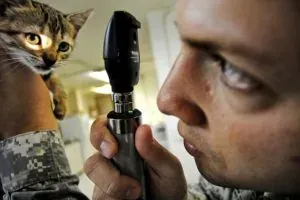
Next, book an appointment with your vet. A thorough checkup confirms whether your companion is fit for the trip and flags any medication it might need along the way. While you are there, ask the staff how they would keep a jittery animal settled during upheaval, since clinics see plenty of nervous patients and often have tricks worth borrowing. Once your veterinarian gives the all clear, you can turn your focus to the day itself and to keeping your pet both safe and clear of the crew’s path.
When moving day arrives
And then the morning comes. This is almost always the hardest stretch for pet and owner alike, and no amount of routine-tinkering fully readies an animal for the sight of its home emptying out. How your companion responds depends on both its temperament and its species. Turtles, hamsters, and fish will sense that something is afoot, yet as long as their own tank or enclosure stays undisturbed, they usually ride the day out without much trouble.
Cats, dogs, and parrots are a different story and are best kept well away from the action. Dogs and cats especially bond with the familiar layout and scent of their surroundings, and watching it all come apart rattles them. To spare your companion that anxiety, consider moving it out early, tucking a smaller cat or dog into a carrier, asking a friend to host it for the afternoon, or leaving its room untouched until the very end. Anything that pulls the animal away from the commotion helps, and as a welcome bonus it lets our crews work faster and more safely.
Getting your pet from A to B
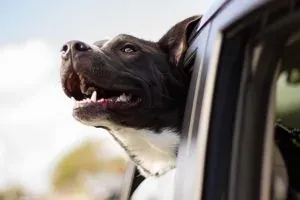
Whenever you can, your pet should ride with you rather than travel separately. Air travel is possible but worth skipping when another option exists, which leaves the family car as the steadiest choice. Fuel is never free, and after tallying up your estimates you may be watching every dollar, yet for a nearby hop nobody will fault you for driving your companion yourself. The simple presence of a familiar person does wonders to lower an animal’s tension on an otherwise chaotic day.
The ten tips at a glance
Once the truck is unloaded, set out your pet’s own belongings, its bed, bowls, and favorite toys, as quickly as you can, since familiar objects turn a strange space into something recognizable. Introduce your companion to the new home slowly and stay right beside it as it explores. Cats in particular are prone to bolting or hiding when overwhelmed, so keep a close eye on yours. Remember that from your pet’s point of view the entire world has shifted, and it needs steady reassurance that you have not gone anywhere. A few extra treats never hurt either.
Here, then, is everything distilled into ten quick reminders:
- See the vet first. Make certain your animal is in solid health before setting off. Relocation is taxing on its own, and it can even turn hazardous for a companion that is already unwell, so play it safe.
- Confirm the new place welcomes pets. Knowing this ahead of time lets you map out walks and outings.
- Ease their routine into the change. Small daily adjustments soften the shock of what is coming.
- Keep them clear of the packing and loading. Distance spares them stress and keeps them from getting underfoot.
- Drive them yourself when possible. Having your pet in the car alongside you beats every other option.
- Leave the carrier closed until you arrive. An animal let loose too soon may bolt or refuse to climb back in.
- Introduce the new home gradually. Walk it through the space at its own pace, right by your side.
- Reward them. A treat says thank you for weathering the upheaval so well.
- Show them the neighborhood. This one matters most for dogs.
- Book a follow-up vet visit. A quick checkup after the move rounds everything out.
Final thoughts
Every move has its complications, and it is easy to feel buried under them, pets or no pets. With a sensible plan and the right help behind you, though, each task falls into place one step at a time. Follow the pointers above, lean on our team when you need an extra set of hands, and both you and your companion will settle into the new place just fine. When you are ready to map out the details, reach out to us and we will take it from there.


Planning a move? We can help
Free, no-obligation quote from our New Jersey moving team.